
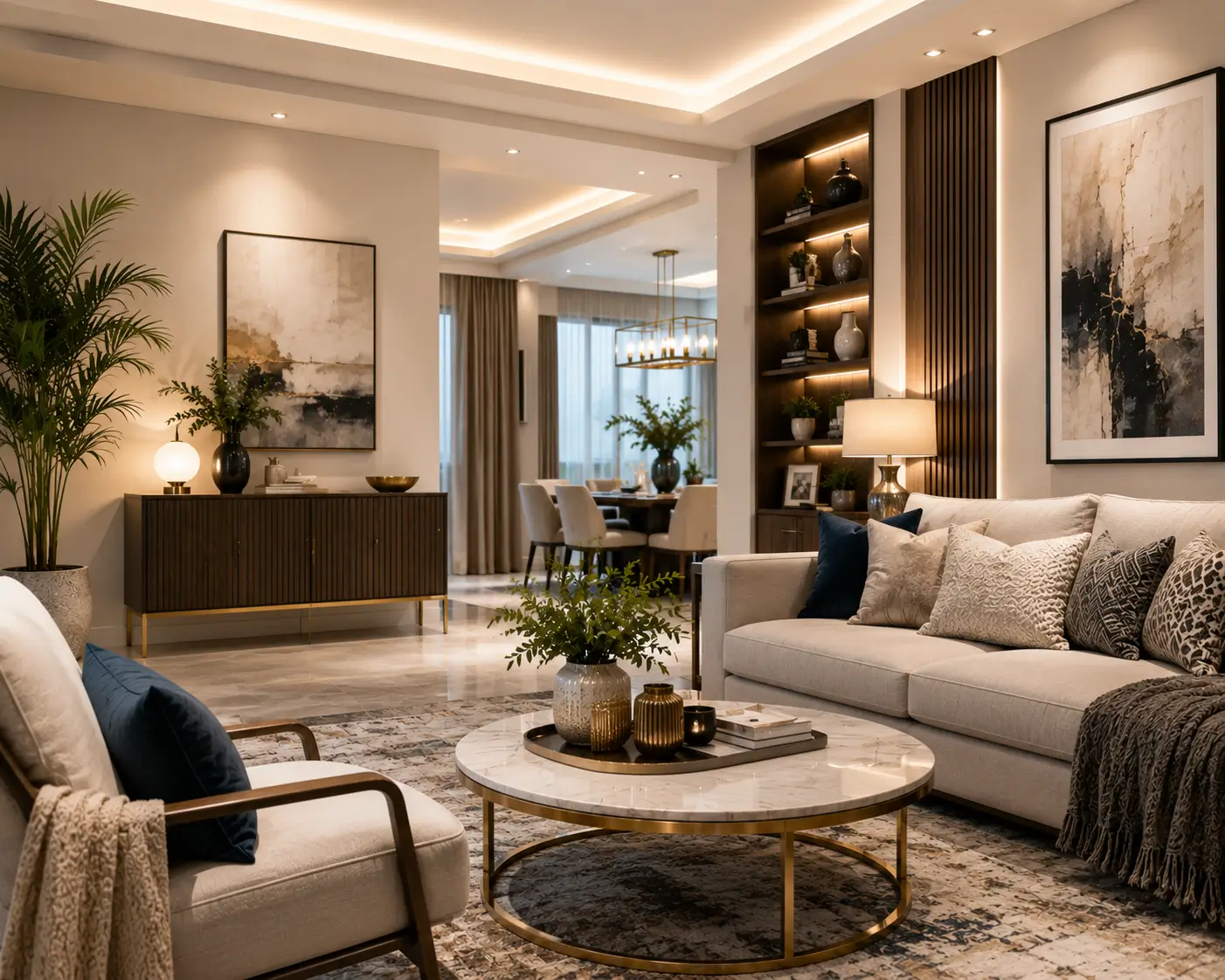
A well-designed home should do more than simply look attractive. It should reflect the people who live there, support everyday life and create an environment that feels welcoming from the moment you walk through the door. While interior design trends constantly evolve, the principles of creating a comfortable, functional and timeless home remain remarkably consistent.
Many homeowners believe transforming an interior requires major renovations or a significant budget. In reality, thoughtful planning, careful furniture placement, balanced colour schemes and attention to lighting often have a far greater impact than expensive decorative features. The best interiors feel effortless because every element works together, creating rooms that are practical to live in while remaining visually appealing.
Whether you’re updating a single room or gradually refreshing your entire home, understanding the foundations of good interior design will help you make decisions that continue to work long after today’s fashions have passed.
Start With a Clear Vision for Every Room
Every successful interior begins by understanding how each room will be used. Rather than decorating purely for appearance, homeowners should first consider the daily activities that take place within the space.
Living rooms often serve multiple purposes, from entertaining guests to relaxing with family or watching television during the evening. Bedrooms should promote rest and relaxation, while dining areas increasingly double as home offices or study spaces. Designing around these real-life functions allows every room to perform efficiently without feeling overcrowded.
Furniture should always be proportionate to the available space. Oversized sofas or bulky cabinets can overwhelm smaller rooms, while furniture that’s too small may leave larger spaces feeling empty and disconnected. Measuring carefully before making purchases helps create balanced layouts that encourage easy movement throughout the room.
Storage should also be incorporated from the beginning. Built-in shelving, sideboards, media units and multifunctional furniture help reduce clutter while allowing decorative items to be displayed selectively rather than overwhelming the space.
Creating a simple mood board before beginning any project can help homeowners maintain consistency across colours, materials and furniture styles, ensuring the finished interior feels cohesive throughout the home.
Build Around Colour, Texture and Natural Light
Colour plays a major role in shaping how a room feels, but successful interiors rely just as heavily on texture and lighting to create warmth and character.
Neutral colour palettes continue to dominate modern homes because they provide flexibility while allowing furniture and accessories to become focal points. Soft whites, warm greys, muted greens and earthy tones create calming environments that adapt easily as tastes change.
Texture prevents neutral interiors from feeling bland. Combining timber furniture, natural stone, soft fabrics, woven rugs and upholstered seating introduces visual depth while creating a more inviting atmosphere.
Natural light should always be maximised wherever possible. Keeping window treatments simple, using mirrors to reflect daylight and selecting lighter wall colours all help brighten interiors while making rooms appear larger.
Artificial lighting should be layered rather than relying on a single ceiling fitting. Combining ambient lighting with table lamps, wall lights and floor lamps allows homeowners to create different moods throughout the day while improving both comfort and functionality.
Add Personality Without Creating Clutter
One of the biggest challenges in interior design is balancing personal style with simplicity. A home should reflect the interests and personality of its owners without becoming visually overwhelming.
Artwork, family photographs, books and travel souvenirs all help create interiors that feel unique. However, displaying too many decorative items can quickly make rooms appear cluttered. Carefully selecting a smaller number of meaningful pieces often creates greater impact while maintaining a calm atmosphere.
Indoor plants have also become an important feature of modern interiors. They introduce colour, soften architectural lines and create a stronger connection between indoor and outdoor spaces. Larger statement plants can even become focal points within living rooms or entrance halls.
Window treatments should complement the overall design rather than dominate it. Linen curtains, quality blinds and natural fabrics add warmth while controlling light and privacy.
Floor coverings provide another opportunity to introduce comfort and texture. Rugs help define seating areas, improve acoustics and add warmth beneath timber or tiled flooring while contributing to the room’s overall design.
Design a Home That Grows With You
The best interiors are those that evolve naturally over time. Rather than trying to complete every room at once, many homeowners achieve better results by investing gradually in quality furniture, lighting and decorative pieces that continue to suit changing lifestyles.
Timeless design choices generally offer the greatest long-term value. Durable materials, classic furniture and neutral colour palettes provide a flexible foundation that can easily be refreshed with new cushions, artwork or accessories whenever desired.
Practicality should always remain central to every design decision. Beautiful interiors lose much of their appeal if they fail to support everyday living or require constant maintenance.
Ultimately, successful home interiors combine comfort, personality and functionality in equal measure. By focusing on thoughtful planning, quality materials and balanced design, homeowners can create living spaces that remain welcoming, stylish and enjoyable for many years. A well-designed home doesn’t simply impress visitors—it improves everyday life for everyone who lives there.